
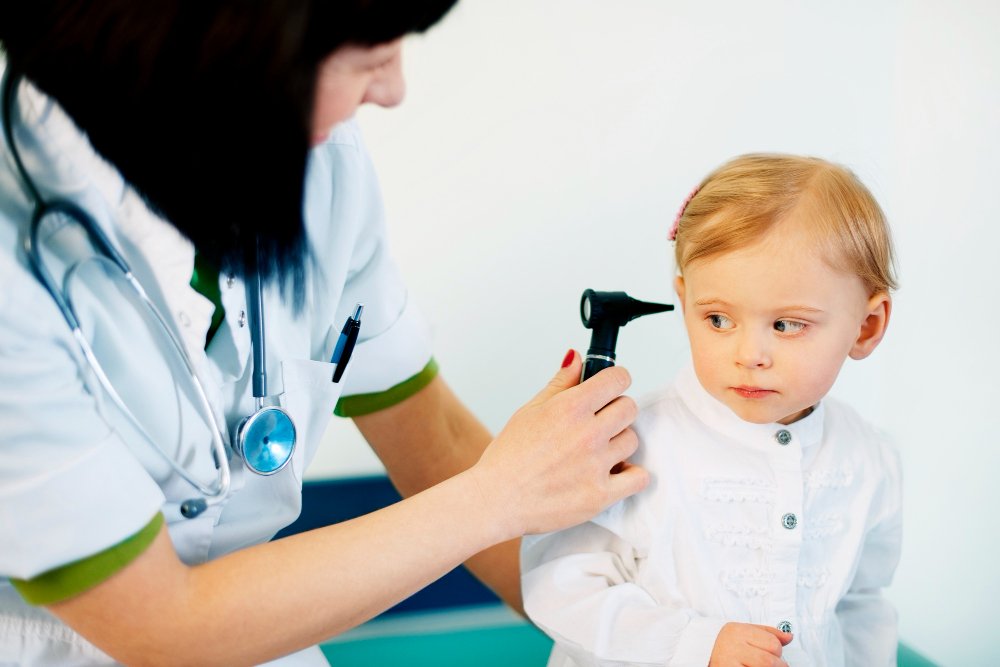
Paediatric ENT Problems: How Early Hearing Checks Matter
Paediatric ENT problems affect many children worldwide. These issues involve the ears, nose, and throat. Early hearing checks are crucial for spotting problems quickly. In fact, early hearing screening in children helps with childhood hearing loss detection. Because of this, knowing why early ENT checks matter for kids can make a big difference. When parents act early, children get the help they need to grow and learn well.
What Are Paediatric ENT Problems?
Paediatric ENT problems are health issues that affect a child’s ears, nose, or throat. These problems can range from mild to severe. For example, some children may have frequent ear infections. Others might struggle with blocked noses or sore throats. Sometimes, these issues can lead to hearing loss or speech delays. Therefore, it is important to notice symptoms early and seek help.
Why Early Hearing Checks Are Important
Early hearing checks can change a child’s life. When hearing problems are found early, children can get the right support. As a result, they are less likely to fall behind in speech or learning. According to the World Health Organization (WHO), early detection helps prevent long-term problems. In addition, early hearing screening in children allows doctors to start treatment sooner. This means better outcomes for your child’s health and development.
Common Symptoms of Hearing Issues in Children
It is not always easy to spot hearing problems in children. However, there are some signs parents can watch for. For instance, if your child:Does not respond to sounds or their nameSpeaks later than other childrenTurns up the TV volume too highAsks you to repeat things oftenHas unclear speechStruggles to follow directions
If you notice any of these symptoms, it is wise to seek advice. Early action can help your child get the care they need.
Causes and Risk Factors for Paediatric Hearing Problems
Many things can cause hearing problems in children. Sometimes, babies are born with hearing loss. Other times, infections or injuries can affect hearing. Common causes and risk factors include:Family history of hearing lossFrequent ear infectionsExposure to loud noisesCertain illnesses, like measles or mumpsPremature birth or low birth weight
Because some causes can be prevented, regular checks are important. Early detection helps lower the risk of long-term problems.
How Hearing is Diagnosed in Children
Doctors use simple tests to check a child’s hearing. For newborns, a quick screening is done soon after birth. This is called a newborn hearing screening. If there are concerns, more tests may follow. These tests are safe and painless. For older children, doctors may use:Listening gamesHeadphone testsSpeech recognition tasks
Because early hearing screening in children is so important, many hospitals offer these tests. In some areas, local clinics or schools provide regular checks as well.
Treatment Options and Early Interventions
If a child is diagnosed with hearing loss, there are many ways to help. Treatment depends on the cause and severity. Some children may need:Medicine for infectionsEar tubes to drain fluidHearing aidsSpeech therapyCochlear implants for severe cases
Early intervention is key. When treatment starts early, children can develop speech and language skills more easily. This helps them do better in school and daily life.
Tips for Parents: Supporting Your Child’s Hearing Health
Parents play a big role in their child’s hearing health. Here are some tips to help:Attend all scheduled hearing checksKeep your child away from loud noisesTreat ear infections quicklyWatch for signs of hearing lossEncourage clear speech and listening skills
Additionally, talk to your doctor if you have any concerns. Early action makes a big difference.
Prevention and Regular Screening Recommendations
While not all hearing problems can be prevented, some steps can help lower the risk. For example, keep your child’s ears clean and dry, avoid exposing them to loud sounds, and ensure they receive all recommended vaccines. The Centers for Disease Control and Prevention (CDC) suggests regular hearing checks for all children. In many cities, local health centers offer free or low-cost screenings. Ask your doctor about the best schedule for your area.
In summary, early hearing checks are vital for spotting paediatric ENT problems. They help children get the support they need to thrive. Consult a paediatric ENT specialist at Jeevan Sai Hospitals for personalised guidance on your child’s hearing health.


